
As companies grow, financial complexity increases, and managing long-term stability becomes more important than ever. Revenue growth alone does not guarantee financial health. Businesses must also evaluate whether they can meet long-term obligations while continuing to expand. This is where solvency analysis becomes essential.
It helps businesses understand their ability to sustain operations, manage debt, and maintain financial strength over time. Nordic Talous Oy supports Finnish SMEs by providing structured financial insights that help companies evaluate solvency and make informed growth decisions.
What Is Solvency Analysis?
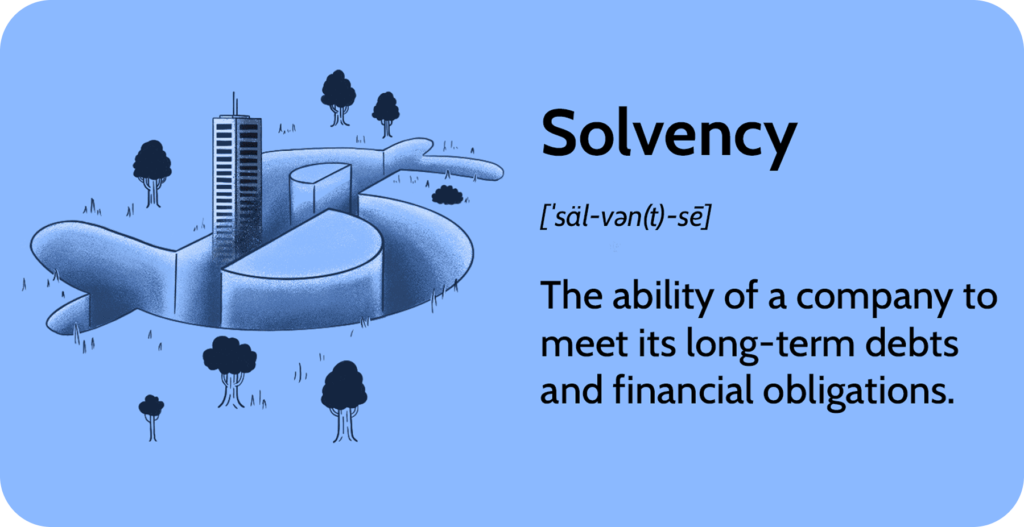
Solvency analysis is the process of evaluating a company’s ability to meet its long-term financial obligations. It focuses on financial stability rather than short-term liquidity.
It typically examines:
- Long-term debt levels
- Equity position
- Asset structure
- Financial leverage
This analysis helps determine whether a business can sustain operations in the long run without excessive financial risk.
Why Solvency Analysis Matters for Growing Companies?
As companies expand, they often take on additional costs, investments, and financing. Without proper financial evaluation, this growth can create hidden risks.
It helps businesses:
- Assess long-term financial strength
- Identify debt-related risks
- Improve investment decisions
- Maintain sustainable growth
- Strengthen financial planning
For Finnish SMEs, maintaining solvency is especially important due to structured financial obligations and market competition.
Key Components
1. Debt-to-Equity Position
This measures how much debt a company uses compared to its own capital. A balanced structure indicates financial stability, while excessive debt may increase long-term risk.
2. Asset Coverage
Asset coverage evaluates whether a company’s assets are sufficient to cover its long-term obligations. It helps businesses understand their financial safety margin.
3. Financial Leverage
Financial leverage shows how much a company relies on borrowed funds to finance growth. While leverage can support expansion, too much reliance increases financial pressure.
Solvency Analysis and Business Growth Decisions
Growth decisions often involve investments, hiring, and expansion into new markets. These decisions must be supported by financial stability.
Through solvency analysis, businesses can:
- Evaluate whether expansion is financially sustainable
- Plan investments with reduced risk
- Avoid over-leveraging
- Maintain balance between growth and stability
This ensures that growth does not compromise long-term financial health.
Solvency vs Liquidity: Understanding the Difference
Many businesses confuse solvency with liquidity, but they measure different aspects of financial health.
- Liquidity focuses on short-term obligations
- Solvency focuses on long-term financial strength
A company may have strong liquidity but weak solvency if it carries too much long-term debt. Understanding both is essential for complete financial analysis.
Role of Solvency Analysis in Risk Management
Solvency analysis plays a key role in identifying financial risks before they become critical.
It helps businesses:
- Detect over-reliance on debt financing
- Identify declining equity trends
- Improve capital structure decisions
- Strengthen financial resilience
This proactive approach reduces uncertainty during business expansion.
How Nordic Talous Oy Supports Solvency Evaluation?
Nordic Talous Oy helps Finnish SMEs assess their financial strength through structured analysis and reporting.
Their services include:
- Financial statement analysis
- Debt and equity evaluation
- Long-term financial planning
- Risk assessment reporting
- Strategic financial advisory
This support helps businesses understand their solvency position clearly and plan sustainable growth strategies.
Conclusion
Solvency analysis is a crucial financial tool for growing companies. It ensures that expansion decisions are supported by strong financial foundations and long-term stability.
By regularly performing solvency analysis, businesses in Finland can reduce financial risk, improve decision-making, and maintain sustainable growth.