
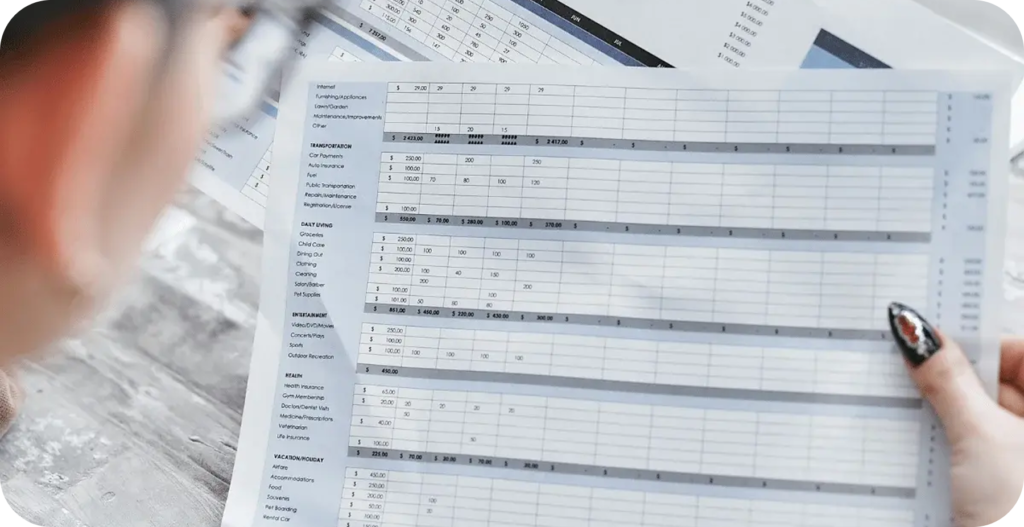
Planning a budget is an important step for any business. However, a budget alone does not improve financial control unless actual performance is compared against it regularly. This is where budget variance analysis becomes essential.
For Finnish SMEs, where operating costs such as payroll, rent, and taxes are significant, small deviations from the budget can quickly impact profitability. Budget variance analysis helps businesses identify these differences early and take corrective action before they affect overall performance.
Nordic Talous Oy supports companies by transforming budget data into actionable insights, helping management stay in control of financial outcomes.
What Is Budget Variance Analysis?
Budget variance analysis is the process of comparing actual financial results with budgeted figures. The difference between the two is called a variance.
These variances can be:
- Favorable variance – When actual results are better than the budget
- Unfavorable variance – When actual results fall short of expectations
This analysis helps businesses understand where financial performance differs from the plan and why those differences occur.
Why Budget Performance Analysis Matters for SMEs?
Many SMEs prepare budgets but fail to review them consistently. Without proper evaluation, budgets lose their value as a control tool.
Budget performance analysis helps businesses:
- Monitor financial performance regularly
- Identify unexpected cost increases
- Track revenue fluctuations
- Improve financial discipline
- Make timely adjustments
In Finland’s structured business environment, this level of control is essential for maintaining stability.
Key Areas of Budget Variance Analysis
Revenue Variance
Revenue variance measures the difference between expected and actual sales.
This helps businesses understand:
- Changes in customer demand
- Pricing effectiveness
- Market conditions
Regular revenue analysis ensures that declining trends are identified early.
Cost Variance
Cost variance highlights differences between planned and actual expenses.
Common areas include:
- Payroll costs
- Operational expenses
- Marketing spending
- Supplier costs
Understanding cost variance helps businesses control spending and improve efficiency.
Profit Variance
Profit variance shows the overall impact of revenue and cost differences. It provides a clear picture of whether the business is performing above or below expectations. This insight supports strategic decision-making and long-term planning.
How Budget Performance Analysis Improves Decision-Making?
Financial decisions become more effective when based on actual performance data.
Through budget variance analysis, businesses can:
- Adjust pricing strategies
- Reduce unnecessary expenses
- Reallocate resources efficiently
- Improve operational planning
Instead of reacting to problems later, management can respond immediately to financial changes.
Common Causes of Budget Variances
Understanding why variances occur is as important as identifying them.
Common causes include:
- Inaccurate budgeting assumptions
- Changes in market demand
- Unexpected cost increases
- Operational inefficiencies
- Delays in revenue collection
Analyzing these factors helps improve future budgeting accuracy.
Integrating Budget Performance Insights with Management Reporting
Budget variance analysis becomes more powerful when integrated into regular management reporting.
Monthly reporting allows businesses to:
- Track variances consistently
- Identify trends over time
- Improve forecasting accuracy
- Maintain financial discipline
This structured approach ensures that financial performance is monitored continuously rather than occasionally.
How Nordic Talous Oy Supports Budget Control?
Nordic Talous Oy helps Finnish SMEs implement structured budget monitoring systems.
Their support includes:
- Preparing detailed budgets
- Performing regular variance analysis
- Identifying key performance trends
- Providing actionable financial insights
- Supporting management reporting
This allows businesses to move beyond basic budgeting and gain real control over financial performance.
Conclusion
Budget variance analysis is not just an accounting exercise. It is a critical management tool that helps businesses stay aligned with their financial plans.
For Finnish SMEs, consistent monitoring of budget variances ensures better cost control, improved decision-making, and stronger financial stability.
When used effectively, budget variance analysis transforms budgets from static plans into dynamic tools that guide business performance and growth.