
Resources
Break-Even Analysis Before Business Expansion
Business expansion often brings new opportunities, but it also introduces financial risk. Many companies focus on growth potential without fully understanding the cost structure behind expansion decisions. This can lead to increased expenses without corresponding profitability. This is where break-even analysis becomes essential.
It helps businesses determine the minimum level of sales required to cover costs before generating profit. For Finnish SMEs, where operating costs such as wages, rent, and employer contributions are significant, understanding this threshold is critical before scaling operations.
Nordic Talous Oy supports businesses by providing structured financial analysis that ensures expansion decisions are backed by clear financial insight.
What Is Break-Even Analysis?
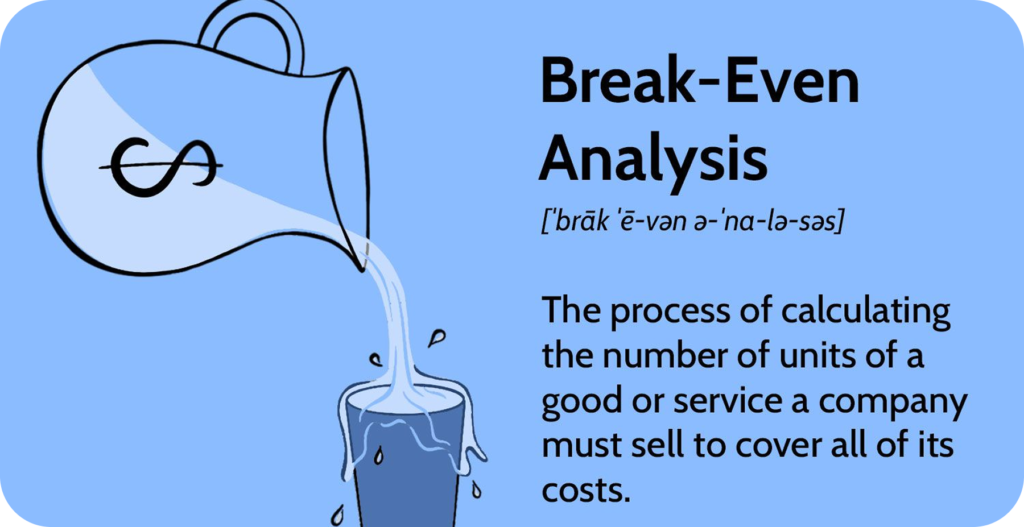
Break-even analysis is a financial tool used to calculate the point at which total revenue equals total costs. At this level, the business neither makes a profit nor incurs a loss.
The basic concept includes:
- Fixed costs (rent, salaries, insurance)
- Variable costs (materials, direct labor, production costs)
- Sales price per unit
The break-even point answers a simple but important question:
How much must we sell to avoid losses?
Why Break-Even Analysis Matters Before Expansion?
Expanding a business increases both fixed and variable costs. Without proper evaluation, companies may overestimate demand or underestimate costs.
Break-even analysis helps businesses:
- Evaluate the financial viability of expansion
- Understand the impact of increased costs
- Set realistic sales targets
- Reduce financial uncertainty
- Make data-driven investment decisions
For SMEs in Finland, this analysis provides a clear financial foundation before committing resources to growth.
Key Components
1. Fixed Costs
Fixed costs remain constant regardless of production levels.
Examples include:
- Office rent
- Salaries
- Equipment leases
- Insurance
During expansion, fixed costs usually increase, making break-even analysis even more important.
2. Variable Costs
Variable costs change based on production or service levels.
Examples include:
- Raw materials
- Production expenses
- Sales commissions
Understanding how these costs behave is essential for accurate calculation.
3. Contribution Margin
Contribution margin is the difference between sales revenue and variable costs. It shows how much revenue contributes toward covering fixed costs.
A higher contribution margin reduces the break-even point and improves profitability potential.
Using Break-Even Analysis for Expansion Decisions
Before expanding, businesses should evaluate multiple scenarios.
Through break-even analysis, companies can:
- Estimate the required sales volume after expansion
- Evaluate pricing strategies
- Assess the impact of increased operating costs
- Compare different expansion options
For example, opening a new location or hiring additional staff increases fixed costs. Break-even analysis shows how much additional revenue is required to justify these decisions.
Common Mistakes Businesses Make
Many companies perform expansion without a detailed financial analysis.
Common mistakes include:
- Underestimating fixed cost increases
- Ignoring variable cost fluctuations
- Overestimating demand
- Setting unrealistic pricing strategies
These mistakes increase financial risk and delay profitability. Structured analysis helps avoid these issues.
Break-Even Analysis and Risk Management
Break-even analysis plays a key role in reducing financial risk.
It helps businesses:
- Identify minimum performance requirements
- Plan for worst-case scenarios
- Improve cost control strategies
- Strengthen financial planning
This proactive approach ensures that expansion decisions are based on realistic expectations rather than assumptions.
How Nordic Talous Oy Supports Expansion Planning?
Nordic Talous Oy helps Finnish SMEs perform detailed financial evaluations before expansion.
Their support includes:
- Cost structure analysis
- Break-even calculations
- Profitability assessment
- Scenario planning
- Integration with budgeting and forecasting
This ensures that growth decisions are financially sustainable and aligned with business objectives.
Conclusion
Expansion can drive growth, but it also increases financial exposure. Without understanding the relationship between costs and revenue, businesses risk scaling without achieving profitability.
Break-even analysis provides clarity by defining the minimum performance required to succeed. For Finnish SMEs, it serves as a critical tool for evaluating expansion decisions, managing risk, and ensuring sustainable growth.

Solvency Analysis for Growing Companies In Turku Finland
As companies grow, financial complexity increases, and managing long-term stability becomes more important than ever. Revenue growth alone does not guarantee financial health. Businesses must also evaluate whether they can meet long-term obligations while continuing to expand. This is where solvency analysis becomes essential.
It helps businesses understand their ability to sustain operations, manage debt, and maintain financial strength over time. Nordic Talous Oy supports Finnish SMEs by providing structured financial insights that help companies evaluate solvency and make informed growth decisions.
What Is Solvency Analysis?
Solvency analysis is the process of evaluating a company’s ability to meet its long-term financial obligations. It focuses on financial stability rather than short-term liquidity.
It typically examines:
- Long-term debt levels
- Equity position
- Asset structure
- Financial leverage
This analysis helps determine whether a business can sustain operations in the long run without excessive financial risk.
Why Solvency Analysis Matters for Growing Companies?
As companies expand, they often take on additional costs, investments, and financing. Without proper financial evaluation, this growth can create hidden risks.
It helps businesses:
- Assess long-term financial strength
- Identify debt-related risks
- Improve investment decisions
- Maintain sustainable growth
- Strengthen financial planning
For Finnish SMEs, maintaining solvency is especially important due to structured financial obligations and market competition.
Key Components
1. Debt-to-Equity Position
This measures how much debt a company uses compared to its own capital. A balanced structure indicates financial stability, while excessive debt may increase long-term risk.
2. Asset Coverage
Asset coverage evaluates whether a company’s assets are sufficient to cover its long-term obligations. It helps businesses understand their financial safety margin.
3. Financial Leverage
Financial leverage shows how much a company relies on borrowed funds to finance growth. While leverage can support expansion, too much reliance increases financial pressure.
Solvency Analysis and Business Growth Decisions
Growth decisions often involve investments, hiring, and expansion into new markets. These decisions must be supported by financial stability.
Through solvency analysis, businesses can:
- Evaluate whether expansion is financially sustainable
- Plan investments with reduced risk
- Avoid over-leveraging
- Maintain balance between growth and stability
This ensures that growth does not compromise long-term financial health.
Solvency vs Liquidity: Understanding the Difference
Many businesses confuse solvency with liquidity, but they measure different aspects of financial health.
- Liquidity focuses on short-term obligations
- Solvency focuses on long-term financial strength
A company may have strong liquidity but weak solvency if it carries too much long-term debt. Understanding both is essential for complete financial analysis.
Role of Solvency Analysis in Risk Management
Solvency analysis plays a key role in identifying financial risks before they become critical.
It helps businesses:
- Detect over-reliance on debt financing
- Identify declining equity trends
- Improve capital structure decisions
- Strengthen financial resilience
This proactive approach reduces uncertainty during business expansion.
How Nordic Talous Oy Supports Solvency Evaluation?
Nordic Talous Oy helps Finnish SMEs assess their financial strength through structured analysis and reporting.
Their services include:
- Financial statement analysis
- Debt and equity evaluation
- Long-term financial planning
- Risk assessment reporting
- Strategic financial advisory
This support helps businesses understand their solvency position clearly and plan sustainable growth strategies.
Conclusion
Solvency analysis is a crucial financial tool for growing companies. It ensures that expansion decisions are supported by strong financial foundations and long-term stability.
By regularly performing solvency analysis, businesses in Finland can reduce financial risk, improve decision-making, and maintain sustainable growth.

Budget Variance Analysis Explained – Nordic Talous Oy
Planning a budget is an important step for any business. However, a budget alone does not improve financial control unless actual performance is compared against it regularly. This is where budget variance analysis becomes essential.
For Finnish SMEs, where operating costs such as payroll, rent, and taxes are significant, small deviations from the budget can quickly impact profitability. Budget variance analysis helps businesses identify these differences early and take corrective action before they affect overall performance.
Nordic Talous Oy supports companies by transforming budget data into actionable insights, helping management stay in control of financial outcomes.
What Is Budget Variance Analysis?
Budget variance analysis is the process of comparing actual financial results with budgeted figures. The difference between the two is called a variance.
These variances can be:
- Favorable variance – When actual results are better than the budget
- Unfavorable variance – When actual results fall short of expectations
This analysis helps businesses understand where financial performance differs from the plan and why those differences occur.
Why Budget Performance Analysis Matters for SMEs?
Many SMEs prepare budgets but fail to review them consistently. Without proper evaluation, budgets lose their value as a control tool.
Budget performance analysis helps businesses:
- Monitor financial performance regularly
- Identify unexpected cost increases
- Track revenue fluctuations
- Improve financial discipline
- Make timely adjustments
In Finland’s structured business environment, this level of control is essential for maintaining stability.
Key Areas of Budget Variance Analysis
Revenue Variance
Revenue variance measures the difference between expected and actual sales.
This helps businesses understand:
- Changes in customer demand
- Pricing effectiveness
- Market conditions
Regular revenue analysis ensures that declining trends are identified early.
Cost Variance
Cost variance highlights differences between planned and actual expenses.
Common areas include:
- Payroll costs
- Operational expenses
- Marketing spending
- Supplier costs
Understanding cost variance helps businesses control spending and improve efficiency.
Profit Variance
Profit variance shows the overall impact of revenue and cost differences. It provides a clear picture of whether the business is performing above or below expectations. This insight supports strategic decision-making and long-term planning.
How Budget Performance Analysis Improves Decision-Making?
Financial decisions become more effective when based on actual performance data.
Through budget variance analysis, businesses can:
- Adjust pricing strategies
- Reduce unnecessary expenses
- Reallocate resources efficiently
- Improve operational planning
Instead of reacting to problems later, management can respond immediately to financial changes.
Common Causes of Budget Variances
Understanding why variances occur is as important as identifying them.
Common causes include:
- Inaccurate budgeting assumptions
- Changes in market demand
- Unexpected cost increases
- Operational inefficiencies
- Delays in revenue collection
Analyzing these factors helps improve future budgeting accuracy.
Integrating Budget Performance Insights with Management Reporting
Budget variance analysis becomes more powerful when integrated into regular management reporting.
Monthly reporting allows businesses to:
- Track variances consistently
- Identify trends over time
- Improve forecasting accuracy
- Maintain financial discipline
This structured approach ensures that financial performance is monitored continuously rather than occasionally.
How Nordic Talous Oy Supports Budget Control?
Nordic Talous Oy helps Finnish SMEs implement structured budget monitoring systems.
Their support includes:
- Preparing detailed budgets
- Performing regular variance analysis
- Identifying key performance trends
- Providing actionable financial insights
- Supporting management reporting
This allows businesses to move beyond basic budgeting and gain real control over financial performance.
Conclusion
Budget variance analysis is not just an accounting exercise. It is a critical management tool that helps businesses stay aligned with their financial plans.
For Finnish SMEs, consistent monitoring of budget variances ensures better cost control, improved decision-making, and stronger financial stability.
When used effectively, budget variance analysis transforms budgets from static plans into dynamic tools that guide business performance and growth.
Management Reports vs Statutory Reports
Many business owners in Finland assume that financial reporting is only required for compliance. However, financial reports serve two distinct purposes. On one hand, statutory reports fulfill legal and regulatory requirements. On the other hand, management reports support internal decision-making. Understanding the difference between management and statutory reports helps businesses use financial data more effectively.
While statutory reporting ensures compliance, management reporting provides insights that drive performance and growth. Nordic Talous Oy helps SMEs structure both types of reporting so that financial data becomes a practical tool rather than just a requirement.
What Are Management vs Statutory Reports?
Financial reporting can be broadly divided into two categories.
- Statutory reports are prepared to meet legal requirements and are submitted to authorities or external stakeholders.
- Management reports are prepared for internal use and focus on helping business owners and managers make informed decisions.
Both types of reports are essential, but they serve very different purposes.
Purpose of Management and Statutory Reports
Statutory Reports
Statutory reports are designed to:
- Meet Finnish regulatory requirements
- Provide standardized financial information
- Ensure transparency for external stakeholders
- Support tax and legal compliance
These reports typically follow strict formats and accounting standards.
Management Reports
Management reports are designed to:
- Provide detailed financial insights
- Support operational decision-making
- Monitor performance regularly
- Identify financial trends and risks
Unlike statutory reports, they are flexible and tailored to business needs.
Key Differences
1. Purpose and Usage
Statutory reports focus on compliance and external reporting. Management reports focus on internal decision-making and performance improvement.
2. Frequency
Statutory reports are usually prepared annually or periodically based on regulatory requirements. Management reports are prepared more frequently, often monthly, to provide timely insights.
3. Level of Detail
Statutory reports present summarized financial information.
Management reports provide detailed breakdowns, including:
- Department-level performance
- Product or service profitability
- Cost analysis
- Budget comparisons
4. Flexibility
Statutory reports follow fixed formats and standards. Management reports are customized based on the needs of the business and its management team.
Why Management Reports Are Critical for SMEs?
Many SMEs rely only on statutory reports, which limit their ability to manage performance effectively.
Management reports help businesses:
- Track financial performance regularly
- Identify cost inefficiencies
- Monitor profit margins
- Make informed operational decisions
Without management reporting, businesses often react to problems instead of preventing them.
Role of Statutory Reports in Compliance
Despite their limitations for decision-making, statutory reports remain essential.
They ensure that businesses:
- Meet tax obligations
- Maintain transparency
- Comply with Finnish accounting regulations
- Provide accurate financial disclosures
Ignoring statutory reporting can lead to penalties and legal complications.
Combining Both Reports for Better Results
The most effective financial systems integrate both types of reporting.
By combining management vs statutory reports, businesses gain:
- Compliance assurance
- Real-time financial insight
- Better strategic planning
- Improved operational control
This balanced approach ensures that financial reporting supports both legal requirements and business growth.
How Nordic Talous Oy Supports Financial Reporting?
Nordic Talous Oy helps Finnish SMEs build structured reporting systems that include both statutory and management reporting.
Their services include:
- Preparing compliant financial statements
- Designing customized management reports
- Analyzing financial performance
- Supporting budgeting and forecasting
- Improving reporting processes
This approach ensures that businesses not only meet regulatory requirements but also gain valuable financial insight.
Conclusion
Understanding the difference between management and statutory reports is essential for effective financial management.
Statutory reports ensure compliance, while management reports provide the insights needed to run and grow a business. SMEs that rely only on statutory reporting often lack the visibility required for informed decision-making.
By integrating both types of reports, Finnish businesses can achieve financial clarity, maintain compliance, and support long-term growth.
Using Trend Analysis for Business Growth
For growing businesses in Finland, staying ahead of market trends is critical. Companies that rely solely on intuition risk missing opportunities and operational inefficiencies. Implementing trend analysis for business growth allows business owners to identify patterns, anticipate changes, and make informed strategic decisions.
Nordic Talous Oy supports Finnish SMEs by providing actionable financial and operational insights through structured trend analysis, helping companies scale effectively and sustainably.
What is Trend Analysis for Business Growth?
Trend analysis involves examining historical data to identify patterns in revenue, expenses, sales, and other operational metrics. By recognizing these trends, businesses can:
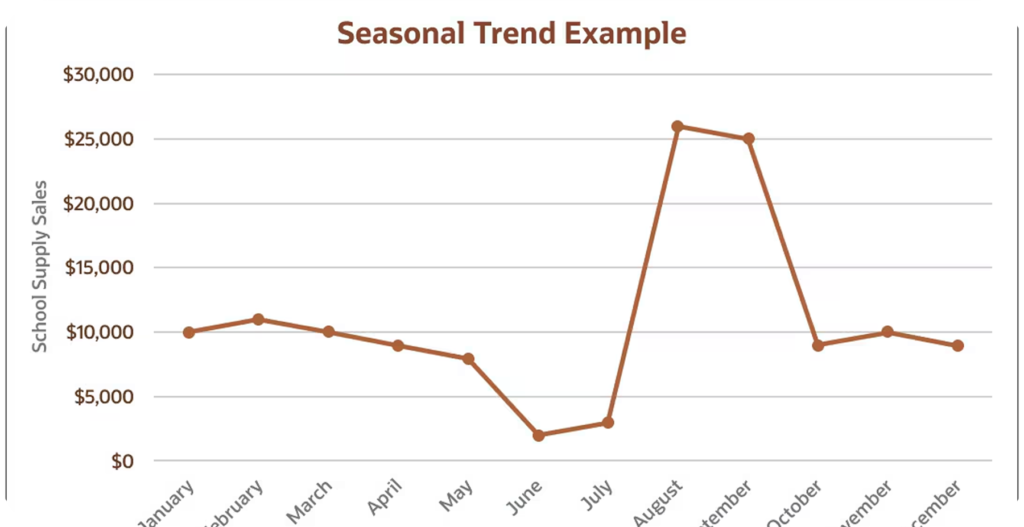
- Understand seasonal fluctuations
- Evaluate the success of past strategies
- Predict future performance
- Identify areas requiring operational adjustments
For SMEs, consistent trend evaluation is essential to maintain competitiveness and ensure resources are allocated efficiently.
How Trend Analysis Improves Financial Planning?
Financial planning relies heavily on understanding how past performance influences future outcomes. Using trend analysis for business growth, companies can:
- Forecast cash flow accurately
- Prepare realistic budgets
- Allocate resources strategically
- Adjust pricing and product strategies based on market patterns
This proactive approach reduces financial surprises and supports sustainable growth.
Using Trend Analysis to Optimize Operations
Operational efficiency improves significantly when businesses track trends over time. Trend analysis helps SMEs identify:
- High-performing products or services
- Inefficient processes or bottlenecks
- Fluctuations in employee productivity
- Supply chain patterns
By integrating this information into decision-making, management can prioritize high-impact activities and reduce operational waste.
Enhancing Marketing Strategies with Trend Analysis for Business Growth
Marketing campaigns become more effective when informed by data. Through trend analysis, businesses can:
- Track customer preferences and purchasing behavior
- Identify seasonal demand patterns
- Adjust promotional campaigns to align with peak periods
- Allocate marketing budgets to channels with the best ROI
This ensures that marketing efforts are targeted and cost-effective.
How Nordic Talous Oy Helps with Trend Analysis?
Nordic Talous Oy assists Finnish SMEs by combining financial expertise with structured data analysis. Their services include:
- Reviewing financial statements to detect growth patterns
- Monitoring revenue, expense, and profit trends
- Providing actionable insights to guide decision-making
- Integrating trend data into budgeting and forecasting
By leveraging these insights, businesses can make informed choices that align with their long-term growth objectives.
Conclusion
Trend analysis is a powerful tool for businesses aiming to grow in competitive markets. By applying trend analysis for business growth, Finnish SMEs can anticipate changes, optimize operations, and make informed financial and strategic decisions.
With the guidance of experts like Nordic Talous Oy, businesses gain the structured insights needed to scale efficiently while maintaining financial stability.
Tax Planning Strategies for Growing Businesses
As businesses grow, financial operations become more complex, and tax obligations increase accordingly. Many business owners focus primarily on revenue expansion, but without structured tax planning strategies, growth can lead to unexpected tax liabilities and reduced profitability.
Effective tax planning helps businesses manage their obligations efficiently while remaining compliant with Finnish tax regulations. Instead of reacting to tax issues at the end of the financial year, companies benefit from a proactive approach that integrates tax considerations into their financial planning.
For growing businesses in Finland, structured tax planning supports both financial stability and long-term strategic development.
Understanding the Role of Tax Planning Strategies
Tax planning involves organizing financial activities in a way that minimizes unnecessary tax burden while remaining fully compliant with applicable regulations.
It typically includes:
- Evaluating tax-efficient business structures
- Planning investment decisions carefully
- Managing deductible expenses effectively
- Structuring compensation and dividends strategically
- Monitoring tax deadlines and obligations
When implemented correctly, tax planning ensures that businesses use available legal provisions efficiently without creating compliance risks.
Choosing the Right Business Structure
The legal structure of a business significantly influences its tax obligations. In Finland, common business forms include:
- Sole trader (Toiminimi)
- Limited company (Osakeyhtiö)
- Partnerships
Each structure has different tax implications regarding income taxation, dividend distribution, and liability.
For growing businesses, transitioning from a sole trader structure to a limited company may provide advantages in certain situations, particularly when profits increase and reinvestment becomes necessary. Careful evaluation helps ensure that the chosen structure supports both operational and tax efficiency.
Managing Deductible Business Expenses
One of the most practical tax planning approaches involves identifying and managing deductible expenses correctly.
Businesses in Finland can typically deduct legitimate operational costs such as:
- Office expenses
- Professional services
- Equipment and technology
- Travel and business-related transportation
- Employee-related costs
Maintaining accurate records ensures these deductions are properly documented and accepted during tax assessments.
Good bookkeeping practices, therefore, play a central role in effective tax planning.
Timing Income and Expenses Strategically with Tax Planning Strategies
Timing can significantly impact a company’s tax outcomes. By applying effective tax planning strategies, businesses can plan the recognition of revenue and the timing of expenses to manage taxable income more efficiently.
For example:
- Investments in equipment may be scheduled to maximize depreciation benefits.
- Certain expenses can be planned before the end of the financial year.
- Revenue recognition may align with broader financial and tax planning goals.
These decisions must always follow Finnish tax regulations to ensure compliance while optimizing the company’s financial position.
Dividend Planning for Company Owners
For owners of limited companies, dividend planning is a crucial aspect of tax efficiency.
In Finland, dividends can be taxed differently depending on several factors, including:
- Net assets of the company
- Distribution amounts
- Applicable tax thresholds
A structured dividend strategy allows business owners to balance salary and dividend income in a way that aligns with both personal and corporate financial planning.
Preparing for Growth and Expansion with Tax Planning Strategies
Business growth often introduces new tax considerations, such as:
- Hiring employees
- Investing in new equipment
- Expanding to new markets
- Increasing operational scale
Without proper planning, these changes can create unexpected tax burdens.
Integrating tax planning into financial strategy ensures that expansion decisions consider both operational and tax implications.
The Importance of Professional Guidance
Tax regulations can be complex and frequently updated. Businesses often benefit from professional support to accurately interpret and apply regulations.
Nordic Talous Oy supports Finnish businesses by helping them understand tax obligations and implement structured tax planning approaches.
Their services assist companies in maintaining accurate financial records, evaluating tax implications of business decisions, and ensuring compliance with Finnish tax regulations.
This proactive support helps businesses focus on growth while maintaining financial discipline.
Conclusion
Tax planning is an essential component of responsible financial management for growing businesses. Instead of addressing tax issues only during reporting periods, proactive planning allows companies to manage obligations efficiently throughout the year.
By implementing effective tax planning strategies, businesses in Finland can improve financial efficiency, maintain compliance, and support sustainable growth. Structured financial planning ensures that expansion does not lead to unnecessary tax burdens but instead contributes to long-term financial stability.